


Description
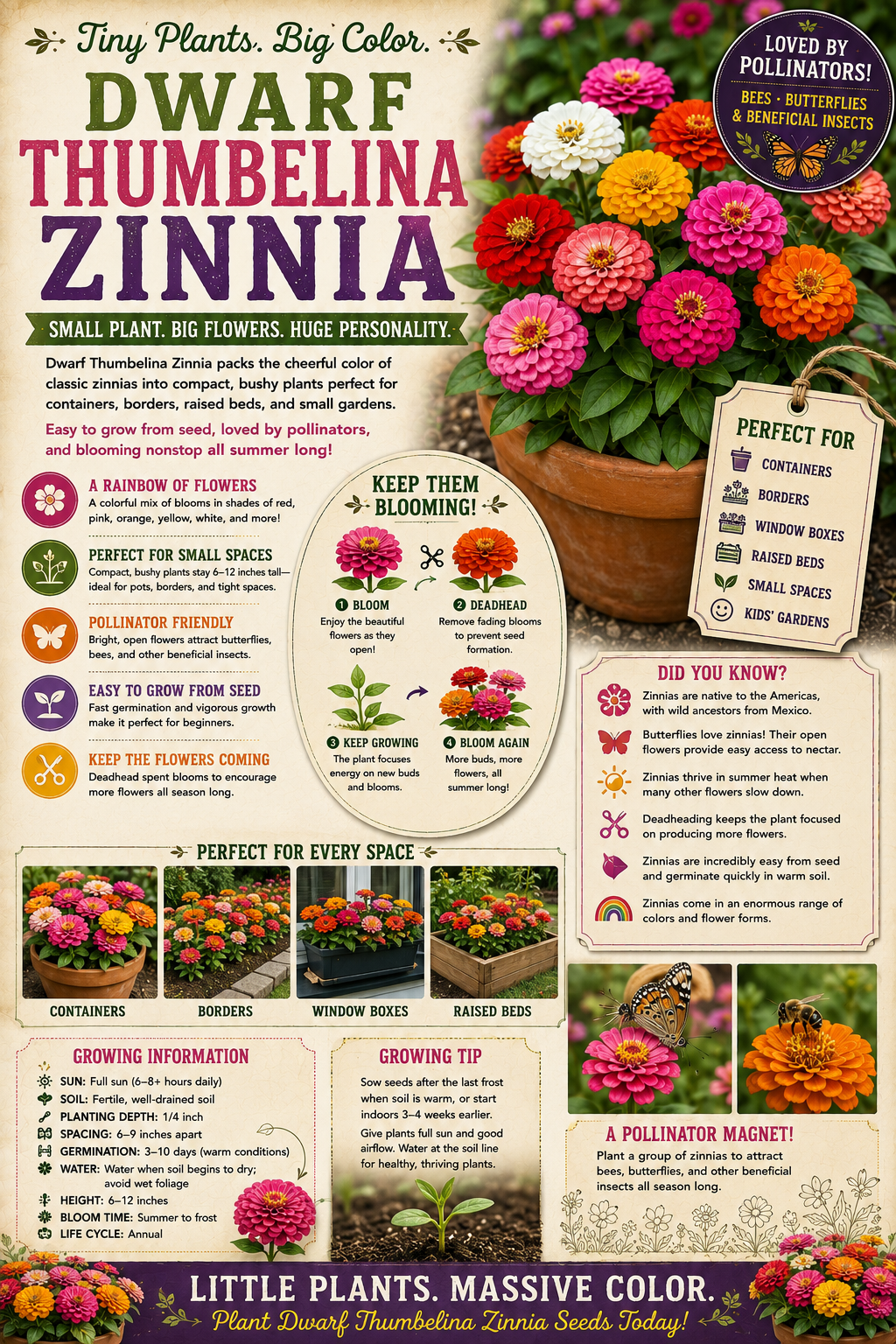
Dwarf Thumbelina Zinnia Seeds
Tiny Plants. Big Color.
Small plant.
Big flowers.
Huge personality.
Dwarf Thumbelina Zinnia packs the cheerful color of classic zinnias into compact, bushy plants perfect for containers, borders, raised beds, and small gardens.
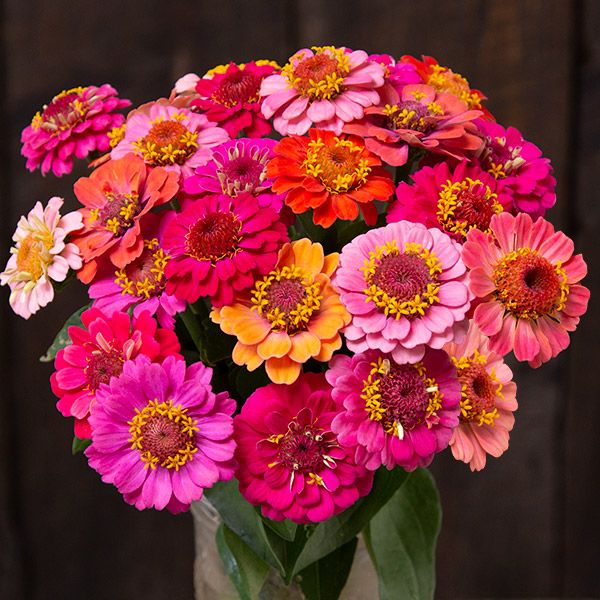
Plants become covered in colorful blooms in shades that can include pink, red, orange, yellow, white, and more, creating a miniature flower garden almost anywhere you have sunshine.
Easy from seed. Loved by pollinators. Fantastic for beginners.
Proof that a garden doesn’t have to be big to be spectacular.
Why Grow Dwarf Thumbelina Zinnia?
🌈 A rainbow of flowers.
A colorful mixture can produce cheerful blooms in shades of red, pink, orange, yellow, white, and other variations.
🪴 Perfect for small spaces.
Compact plants make Thumbelina an excellent choice for containers, window boxes, raised beds, edging, and smaller gardens.
🐝 Pollinator friendly.
Zinnia flowers attract butterflies, bees, and other beneficial insects throughout the flowering season.
🌱 Easy to grow from seed.
Fast germination and vigorous warm-weather growth make zinnias wonderfully approachable for new gardeners.
✂️ Keep the flowers coming.
Regularly removing spent blooms encourages plants to continue producing more.
How Dwarf Is Dwarf?
Unlike tall cutting zinnias that can grow several feet high, Thumbelina stays remarkably compact.
Expect plants around 6–12 inches tall, although growing conditions and individual genetics can cause some variation.
That makes them perfect for places where taller flowers simply wouldn’t work.
Line a walkway.
Fill a patio pot.
Plant the front edge of a flower bed.
Or give kids their own miniature zinnia garden.
Maximum color. Minimum space.
Growing Information
Sun: Full sun — 6–8+ hours daily
Soil: Fertile, well-drained soil
Planting Depth: Approximately ¼ inch
Spacing: Approximately 6–9 inches apart
Germination: Approximately 3–10 days in warm conditions
Water: Water when the soil begins to dry; avoid keeping foliage constantly wet
Height: Approximately 6–12 inches
Bloom: Summer through frost
Life Cycle: Annual
Growing Tip
Zinnias love warmth.
Direct sow after danger of frost has passed and the soil has warmed, or start indoors several weeks earlier for a head start.
Give plants plenty of sunlight and good airflow.
When watering, aim for the soil rather than repeatedly soaking the leaves, which can help reduce conditions favorable to foliar disease.
Perfect for Containers
You don’t need a giant flower bed to grow Thumbelina.
🪴 Patio Pots
Create a miniature explosion of summer color.
🌿 Window Boxes
Compact plants fit beautifully where taller zinnias would overwhelm the space.
🏡 Front Borders
Use Thumbelina along the front edge of taller flower plantings.
🥕 Raised Beds
Tuck them around vegetables and herbs to add color and attract visiting insects.
🌱 Small Gardens
Even limited growing space can become a pollinator-friendly flower patch.
Keep Them Blooming
The secret is simple:
Don’t let every flower go straight to seed.
🌸 Bloom
Enjoy the flower while it’s fresh and colorful.
✂️ Deadhead
Remove fading blooms.
🌱 Keep Growing
The plant redirects energy into continued growth and flowering.
🌼 Bloom Again
New buds continue developing.
Keep deadheading throughout summer and your little plants can keep putting on a surprisingly big show.
Loved by Butterflies
Zinnias are famous for attracting garden visitors.
🦋 Butterflies
🐝 Bees
🌼 Other beneficial pollinating insects
Plant several together to create a colorful feeding station that is easy for flying visitors to spot.
Combine Thumbelina with other flowering plants that bloom at different times and you’ll help provide food across more of the growing season.
Perfect For
- Containers
- Window boxes
- Garden borders
- Raised beds
- Pollinator gardens
- Children’s gardens
- Small spaces
- Patio gardens
- Mass plantings
- Beginner gardeners
Did You Know?
🌸 Zinnias are native to the Americas. Their wild ancestors originated primarily in Mexico and surrounding regions.
🦋 Butterflies love zinnias. Their colorful blooms and accessible flowers make them popular additions to butterfly gardens.
☀️ Zinnias thrive in summer heat. While many cool-season flowers fade as temperatures rise, zinnias are just getting started.
✂️ Deadheading encourages continued flowering. Remove aging blooms before seeds fully develop to keep the plant focused on producing more flowers.
🌱 They’re incredibly easy from seed. Zinnias germinate quickly under warm conditions, making them excellent flowers for children and beginning gardeners.
🌈 Zinnias come in an enormous range of colors and forms. Generations of breeding have produced everything from tiny single blooms to enormous double flowers.
Build a Miniature Flower Garden.
You don’t need acres.
You don’t even need a flower bed.
Give Thumbelina a sunny container.
A window box.
A little strip along the walkway.
Or one corner of a raised bed.
Then watch those tiny plants cover themselves in bright summer flowers buzzing with life.
Small enough to grow almost anywhere.
Colorful enough to completely transform it.
Plant Dwarf Thumbelina Zinnia—and prove that little plants can put on a very big show.