


Description
Garnet Red Amaranth Seeds
Brilliant Color You Can Eat.
Some plants are beautiful.
Some plants are useful.
Garnet Red Amaranth is both.
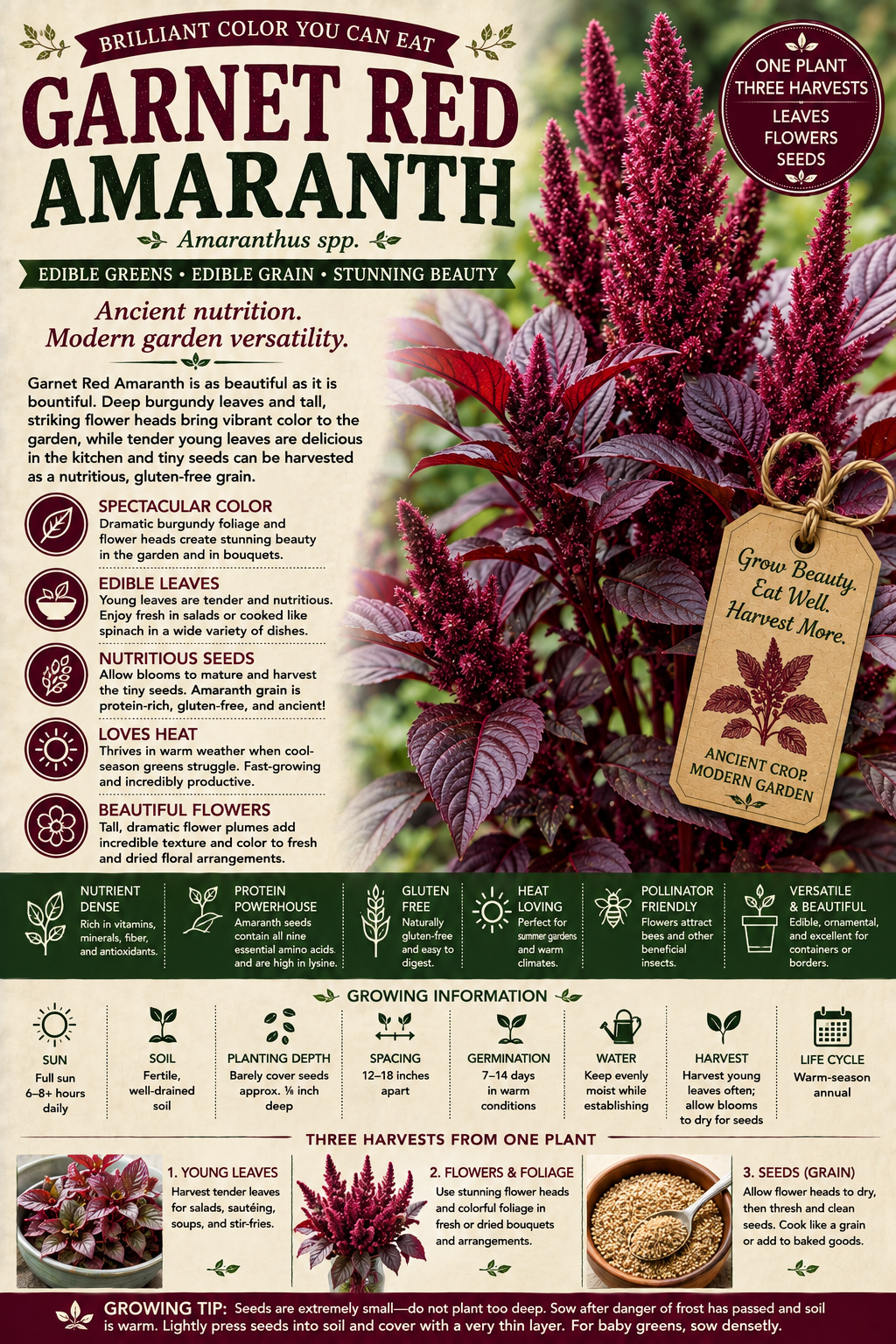
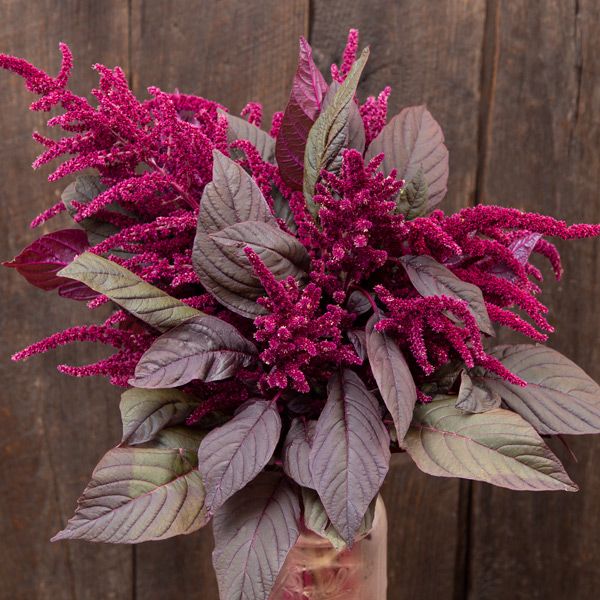
With dramatic burgundy-red foliage and tall, striking flower heads, Garnet Red Amaranth brings incredible color and texture to the garden. But its beauty is only the beginning—the tender young leaves are edible, the mature seeds can be harvested as a nutritious grain, and the flowers make a spectacular addition to bouquets.
Fast-growing, heat-loving, and remarkably productive, amaranth is an ancient crop that deserves a place in the modern garden.
Why Grow Garnet Red Amaranth?
❤️ Spectacular burgundy color.
Deep red foliage makes Garnet Red Amaranth stand out among vegetables, herbs, and flowers. Use it as an edible crop or simply grow it for its dramatic ornamental beauty.
🥗 Edible leaves.
Young amaranth leaves can be eaten much like spinach. Enjoy them fresh when tender or sauté, steam, and add them to soups, curries, and stir-fries.
🌾 Harvest the seeds.
Allow the flowers to mature and they’ll produce an abundance of tiny edible seeds. Amaranth grain has been cultivated as food for thousands of years.
☀️ Loves summer heat.
When cool-season greens begin struggling, amaranth thrives. Warm temperatures encourage rapid, vigorous growth.
💐 Beautiful cut flowers.
Its dramatic foliage and flower heads add rich color, height, and texture to fresh and dried arrangements.
An Ancient Crop for the Modern Garden
Amaranth has been cultivated for thousands of years throughout the Americas and other parts of the world.
Its seeds are naturally gluten-free and provide protein, fiber, minerals, and other nutrients. Unlike most plant foods, amaranth also contains relatively high levels of the essential amino acid lysine.
The leaves are nutritious too, providing vitamins, minerals, and colorful plant pigments.
Few garden plants offer this combination of ornamental beauty, edible greens, edible grain, and incredible summer performance.
Growing Information
Sun: Full sun (6–8+ hours daily)
Soil: Fertile, well-drained soil
Planting Depth: Barely cover seeds, approximately ⅛ inch deep
Spacing: 12–18 inches apart for full-sized plants
Germination: Approximately 7–14 days under warm conditions
Water: Keep evenly moist while establishing; mature plants are relatively tolerant of dry conditions
Harvest: Harvest young leaves throughout the growing season; allow flower heads to mature and dry for seed production
Life Cycle: Warm-season annual
Growing Tip
Amaranth seeds are extremely small, so avoid planting them too deeply.
Sow after the danger of frost has passed and the soil has warmed. Lightly press the seeds into the soil and cover with only a thin layer.
For edible baby greens, plants can be grown much more densely and harvested young.
Three Harvests From One Plant
🥗 Young Leaves
Harvest tender leaves for salads or cooking.
💐 Flowers & Foliage
Use the dramatic red stems, leaves, and flower heads in fresh or dried arrangements.
🌾 Seeds
Allow mature flower heads to dry, then thresh and clean the tiny seeds for use as an edible grain.
Perfect For
- Edible landscapes
- Kitchen gardens
- Raised beds
- Cut flower gardens
- Grain gardens
- Summer gardens
- Ornamental borders
- Containers
- Nutrient-dense greens
Did You Know?
🌾 Amaranth is considered a pseudocereal. Like quinoa, its seeds are cooked and eaten similarly to grains even though the plant isn’t a true cereal grass.
☀️ Amaranth thrives in heat. It’s an excellent summer green when spinach and many lettuces struggle.
🌱 Both the leaves and seeds are edible. Few garden crops provide two such different harvests from the same plant.
💪 Amaranth seeds contain all nine essential amino acids and are especially notable among plant foods for their lysine content.
🎨 Those incredible colors aren’t just for show. Red amaranths contain naturally occurring pigments called betalains, the same broad family of pigments responsible for the brilliant colors found in beets.
Grow Something Extraordinary
Garnet Red Amaranth isn’t simply another vegetable.
It’s a leafy green.
A grain crop.
A cut flower.
And a spectacular ornamental plant—all growing from the same tiny seed.
Plant Garnet Red Amaranth—and grow brilliant color, ancient nutrition, and abundant summer harvests in one extraordinary plant.